FoxyEco
Guides to backup and solar power.
Home Backup, Solar & Off-Grid Power Guides filtered by Climate & Efficiency: Dehumidifiers, heat pumps, standby power and water use.
Field Manuals & Step-by-Step Wiring Checklists
Every FoxyEco manual walks through a single residential energy decision from first principles: reading equipment nameplates, checking electrical code thresholds, and verifying wire gauge, breaker ratings, and thermal limits before buying hardware or calling a licensed contractor.
Outage Load Audits & Interlocks
How to log 24-hour kilowatt-hour consumption with a plug-in wattmeter, separate 120V single-pole circuits from 240V split-phase well pumps, and compare UL 1008 manual transfer switches against main-panel interlock kits.
PV Stringing & MPPT Voltage Rules
Step-by-step worksheets for series versus parallel MC4 solar panel wiring, applying NEC 690.7 cold-temperature open-circuit voltage (Voc) multipliers, and sizing 10 AWG vs. 12 AWG copper extension runs.
LiFePO4 Care & Envelope Efficiency
Low-temperature charging cutoffs below freezing, seasonal 50% state-of-charge storage routines, exterior window shading, night-flush ventilation dew-point limits, and crawlspace humidity control.
Browse
Latest in this section
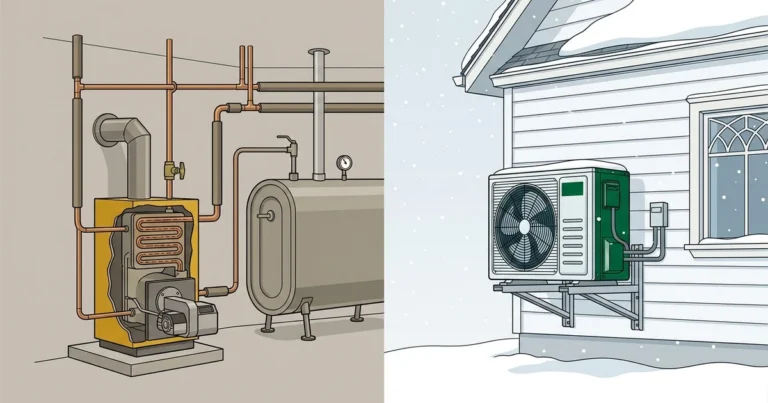
Oil Furnace vs Heat Pump Payback Without a Tax Credit
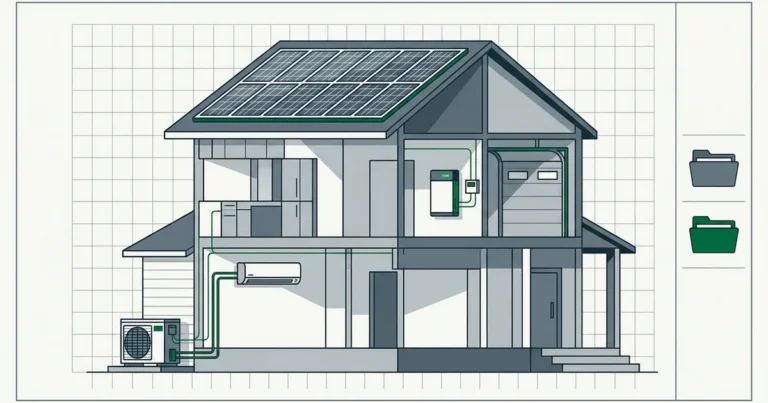
Federal Solar Tax Credit Ended: What Remains in 2026
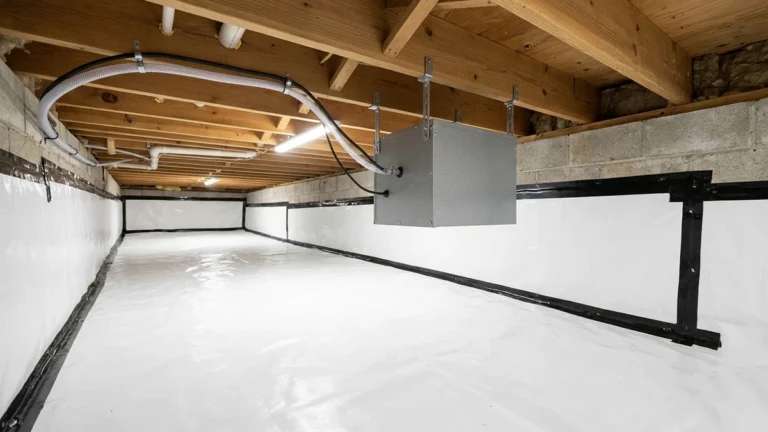
Crawl Space Dehumidifier Installation Order: Vapor Barrier, Power and Condensate Route
Dual-Flush vs Single-Flush Toilets: What WaterSense Ratings Actually Save
SEER2, EER2, HSPF2 and COP Explained: Reading Heat Pump Efficiency Ratings
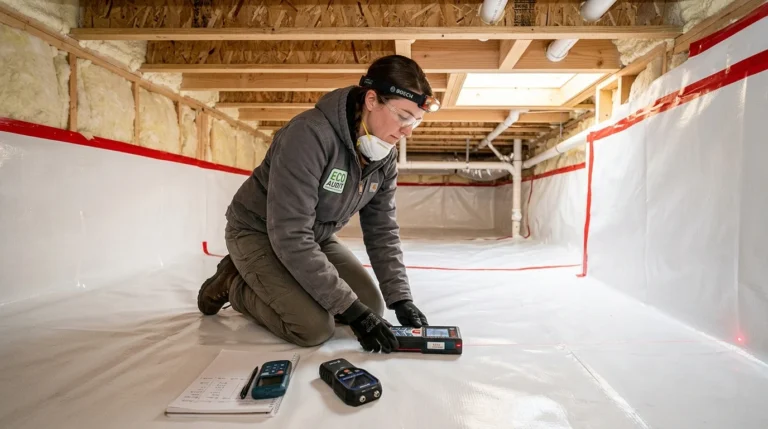
Crawl Space Dehumidifier Sizing Protocol: IRC Code, AHAM vs. DOE Math
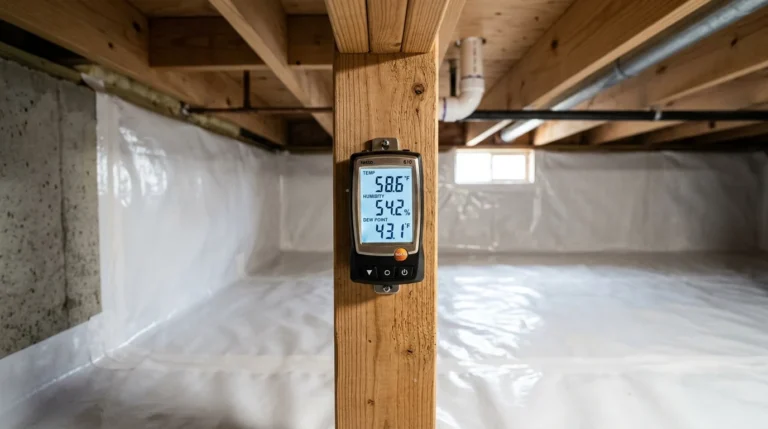
Crawl Space Humidity Targets: RH, Dew Point and Wood Moisture Readings Explained
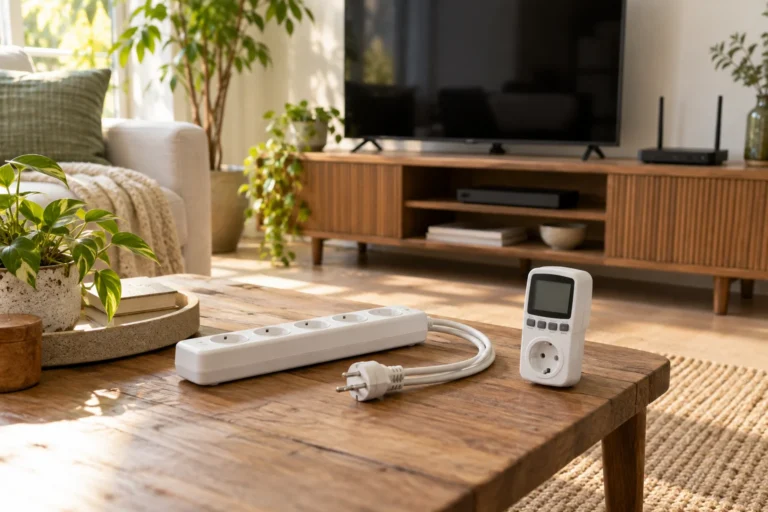
Standby Power: Measure Your Always-On Load Before You Size a Backup Battery