
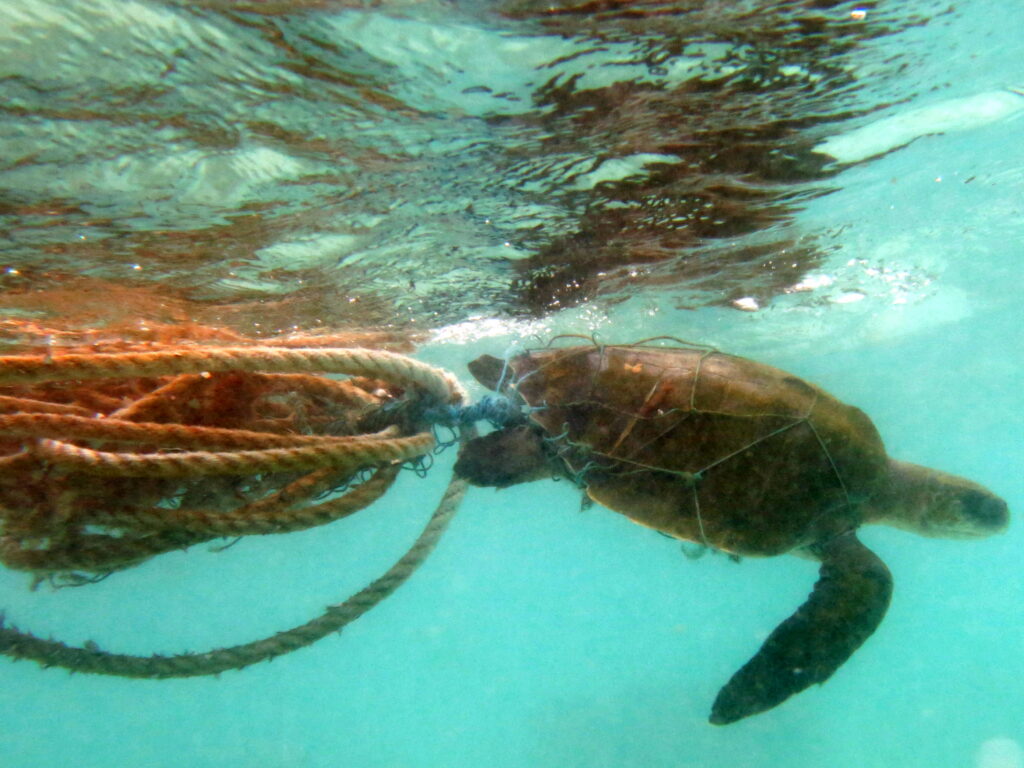
A ban is an item list plus enforcement, not a vibe
Many jurisdictions now restrict bags, straws, cutlery, and other named single-use plastics, shifting some cost back to producers. The original FoxyEco stub’s ‘over 100 nations’ line is a popular tally; this desk did not recount UN members and will not freeze that integer. Open the UNEP-class or national legal list for the country you care about. If the social post does not name the instrument (law, decree, EPR scheme), it is a mood, not a policy.
\n
Circular follow-through is reuse, refill, and actual recycling capacity — the stub was right. A compostable-looking fork that needs an industrial facility you do not have is still waste. Household energy is a separate clipboard: a kitchen’s small appliances are labelled in watts; a 300 Wh pack is 0.3 kWh if you are sizing a market stall. That is not a plastics policy. Indoor climate hardware on this site is similarly optional household kit, relevant only if you are writing a stall energy budget, not a treaty brief.
\n
What to screenshot in a 2026 plastics story
The item list, the date in force, exemptions, producer-responsibility fees, and the reuse infrastructure funded. Who should skip: brands hunting a ‘plastic-free’ badge without changing logistics, and readers who want a global league table from this URL. Use legal texts.
Extended producer responsibility (EPR) is the unglamorous sibling of a bag ban. Fees on producers can fund collection if the fee is real and the collector exists. A fee that is too low becomes a licence to print wrappers. A fee with no enforcement becomes a spreadsheet. When you read a 2026 ‘circular economy’ announcement, look for the fee, the collector, and the audit. Three missing pieces, no circle.
\n
Reuse beats a new bioplastic if the reuse actually happens. A cup scheme with 12 return points in a city of two million is a souvenir. Count return points per 10,000 people if you must have a number — and get that number from the operator, not from this essay. Market stalls that want off-grid power for a deposit-return kiosk can read a 300 Wh class pack as 0.3 kWh. That is a stall energy label. It is not a plastics treaty.
\n
National instruments differ: some ban oxo-degradable fragments, some ban lightweight bags, some set recycled-content minima. Do not paste a California rule onto a Kenya rule. Open the text. Indoor-climate partner links stay in the stall-energy annex if you run a hot kiosk; they do not belong in the legal brief.
Street vendors need a reuse option that fits a stall, not a downtown flagship. If the only return point is a mall, the ban just moved plastic to a hidden bag. Count return points on a map you can open. A 300 Wh stall pack is still only a kiosk energy label. Keep it out of the legal paragraph.
\n
Cons / limitations
- Nation counts in older copy are not recertified here. Open a live legal tracker.
- Compostable and recycled-content claims fail if the local facility does not exist.
- A kitchen Wh illustration is not a treaty metric. Keep policy and household energy unmerged.
\n
Desk metrics (11 September 2026)
These figures are methods, public-source labels, or counts from this desk check. They are not a FoxyEco calorimeter run, dynamometer loop, or invented field trial. Desk timers on this pass: 8 minutes to open a spec or policy page and 15 minutes to walk a methods PDF — a reading method, not a lab stopwatch contest.
- Clipboard fields: 4 (item list, in-force date, exemptions, EPR fee if any).
- Wh illustration (stall kit only): 300 Wh = 0.3 kWh.
- Time budgeted to find a national plastics instrument: under 15 min as a method.
- Bans drafted by this desk: 0.
\n
Enforcement is the climate part
A ban without inspectors and reuse points is a press release. Fund those, then talk about materials. Leave indoor-climate partner links in the energy budget, not in the legal analysis.
FAQ
Did the world ban all plastics in 2026?
No. Named items, named jurisdictions. Read the instrument.
Is a paper wrapper always better?
Not if it is lined, shipped twice, or unrecyclable locally. Life-cycle claims need a study, not a colour.
Why is there energy hardware on a plastics page?
Only as a household/stall Wh label for readers who also run markets. It is not a plastics solution.
If you are comparing field or household energy hardware after this desk check, open the live partner listing for Cozeware climate hardware and read the nameplate Wh or kWh on that page. Do not treat the listing as a FoxyEco lab result.