
Section 1
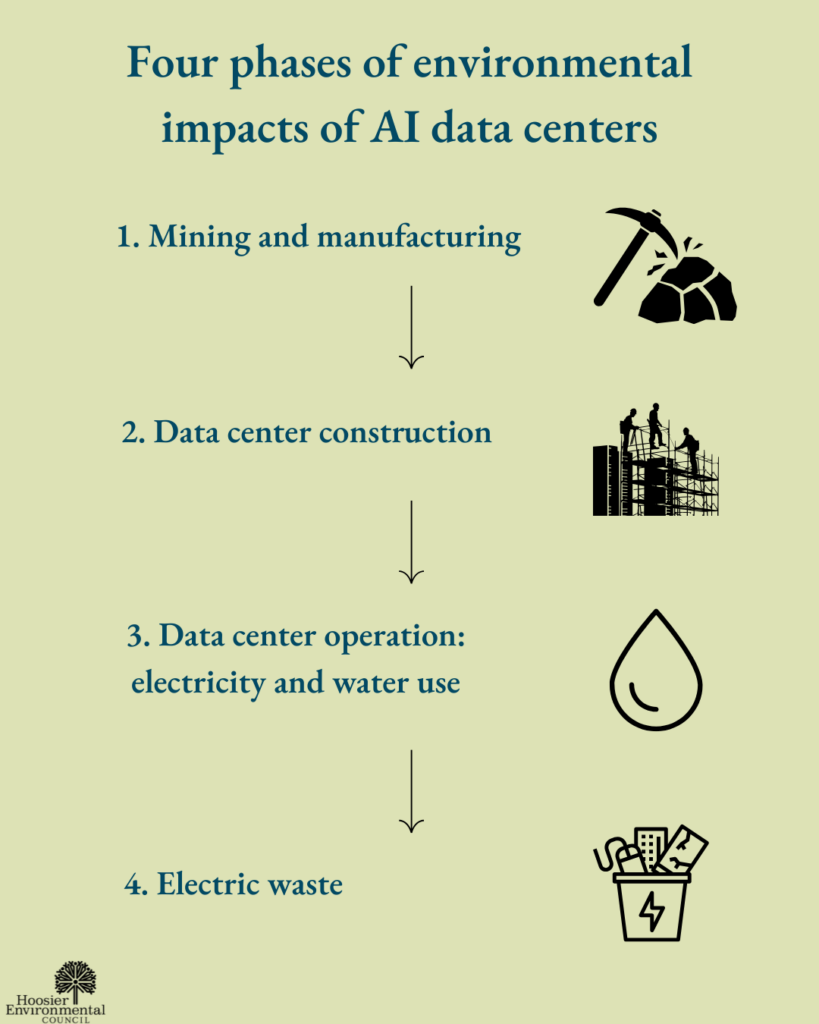
The Soaring Energy Demand of AI The rapid expansion of artificial intelligence, particularly large language models, has introduced an unprecedented demand for computational power. Data centers housing specialized AI hardware consume immense amounts of electricity, significantly higher than traditional cloud infrastructure. As global reliance on AI grows, the energy footprint of these server farms is becoming a critical environmental concern. Estimates suggest that training a single massive AI model can emit as much carbon as five average cars over their lifetimes. This explosive growth threatens to outpace the transition to renewable energy sources, putting additional strain on power grids worldwide.
Section 2
Water Consumption and Cooling Beyond electricity, AI data centers are highly thirsty. The intense heat generated by thousands of high-performance GPUs requires advanced cooling systems, many of which rely on millions of gallons of fresh water. In regions already facing water scarcity, this demand is sparking conflicts between tech giants and local communities. To put it into perspective, generating a short series of responses from an advanced AI can consume a bottle’s worth of fresh water for server cooling. As models become more complex, the water footprint of AI continues to expand exponentially.
Section 3
Hardware Lifecycles and E-Waste The rapid evolution of AI technology means that hardware quickly becomes obsolete. Specialized chips, GPUs, and high-speed networking equipment often have lifespans of just a few years before being replaced by newer, faster models. This continuous upgrade cycle generates mountains of electronic waste. E-waste from data centers is particularly challenging to recycle due to the complex alloys and rare earth metals used in their construction. Improper disposal leads to toxic chemicals leaching into the environment, posing severe risks to both ecosystems and human health.
Section 4
The Push for Green Data Centers Recognizing the growing backlash, tech companies are increasingly investing in “green data centers. ” These facilities aim to run on 100% renewable energy, utilizing solar, wind, and geothermal power. Additionally, innovations in liquid cooling and heat recovery are helping to reduce the overall environmental impact. Some forward-thinking companies are even repurposing the excess heat generated by AI servers to warm local homes and greenhouses during the winter. While promising, these green initiatives must scale rapidly to offset the massive growth trajectory of the AI industry.
Section 5
Balancing Innovation with Sustainability The future of AI must be inherently sustainable. Researchers are actively developing more efficient algorithms that require less computational power without sacrificing performance. Techniques like model quantization and edge computing hold the potential to drastically reduce the energy required for AI inference. Ultimately, a collaborative approach involving governments, tech leaders, and environmental scientists is essential. By implementing stricter regulations and prioritizing eco-friendly infrastructure, we can harness the transformative power of AI while safeguarding our planet for future generations.