
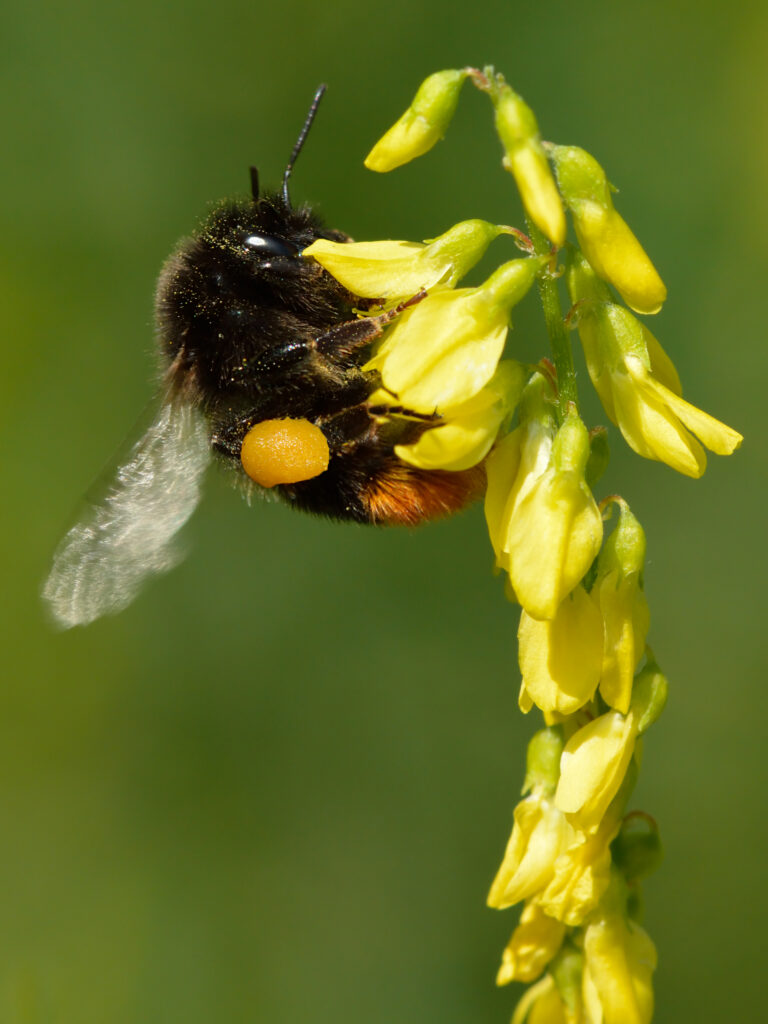
Rewilding is a mowing and planting protocol, not a gadget
Urban rewilding here means native flora, less frequent mowing, and corridors for bees and butterflies — the original FoxyEco stub’s core. Public studies often find diverse solitary bees in messy urban meadows; this desk did not run a pan trap and will not invent a species total. FoxyEco will not recommend lawn robots or turf products; those belong to FoxyGardens. Anthbot-class mowers are out of scope on this URL even if a hub route exists elsewhere.
\n
Pollinators also fail in extreme indoor-adjacent heat on balconies. A household heat-refuge plan can include indoor air hardware labelled in watts, and a 250 Wh pack (0.25 kWh) for a fan during a short outage. That is human heat safety, not a bee feeder. Who should skip: readers hunting a ranked seed mix from this page, or a pesticide ‘hack.’ Use a local native-plant list from an extension service or conservation NGO.
\n
What a city meadow plan should print
Species list (native), mowing calendar, pesticide ban on that parcel, and a monitoring method (simple bee walks count). If the plan leads with a QR-branded lawn bot, it is the wrong site’s product. Indoor climate partner links, if used, are for people in the heat, not for pollinator scores.
A pollinator corridor is a sequence of parcels, not a single Instagram meadow. Cities that succeed publish a mowing calendar in writing, name the native plant list for that ecoregion, and stop spraying the parcel. Cities that fail plant a non-native mix once, mow it for a parade, and call the press. This desk did not count bees. You can still walk a block and note whether flowers are present in the shoulder season, not only in one May week. Shoulder-season forage is what many solitary bees actually need.
\n
Balcony planters help only if the plants are native or known forage, unsprayed, and watered without drowning. They do not offset a park that is mown weekly to putting-green height. FoxyEco will not sell you a mower, a robot, or a turf mix; that is Gardens territory. The only energy note here is human heat: if the same block bakes in July, a fan’s watts and a 250 Wh class pack (0.25 kWh) are a renter’s outage plan, not a bee habitat. Do not hang a solar lantern and call it rewilding.
\n
If you work in a parks department, the useful packet is: map of unsprayed parcels, a native list from an extension service, a mowing-height and date table, and a one-page bee-walk method. If any of those four is missing, you have a mural, not a programme. Keep partner indoor-climate links out of the pollinator PDF. They belong in the heat-refuge annex only.
\n
Cons / limitations
- No FoxyEco insect counts. Diversity claims belong in named studies you re-open.
- Lawn-care machinery is out of scope. This page will not send you to a mower.
- A 250 Wh fan kit is a human heat note, not a pollinator intervention.
\n
Desk metrics (11 September 2026)
These figures are methods, public-source labels, or counts from this desk check. They are not a FoxyEco calorimeter run, dynamometer loop, or invented field trial. Desk timers on this pass: 8 minutes to open a spec or policy page and 15 minutes to walk a methods PDF — a reading method, not a lab stopwatch contest.
- Wh illustration: 250 Wh = 0.25 kWh nameplate.
- Plan fields: 4 (native list, mowing calendar, pesticide rule, monitoring).
- Time budgeted to find a local native-plant list: under 10 min as a method.
- Pan traps set: 0. Mowers ranked: 0.
\n
Keep Gardens products off this URL
If you need turf advice, leave for foxygardens.org. If you need a native meadow protocol, stay, open a local plant list, and ignore mower ads. Confirm any indoor-climate listing live for watts and Wh only.
FAQ
Should I stop mowing everything?
Not blindly. Road sightlines and fire rules exist. Follow a parcel plan.
Is a wildflower seed bomb enough?
Not if the mix is non-native or the site is sprayed. Read the list.
Why is indoor climate hardware mentioned?
Only as a heat-refuge for people on the same hot block. It is not a bee product.
If you are comparing field or household energy hardware after this desk check, open the live partner listing for Cozeware climate hardware and read the nameplate Wh or kWh on that page. Do not treat the listing as a FoxyEco lab result.