
Section 1
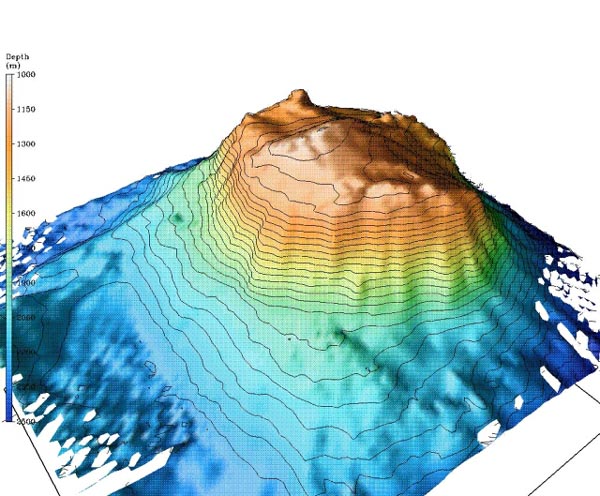
Section 1 The Rush for Deep-Sea Cobalt As the global transition to renewable energy accelerates, the demand for critical minerals like cobalt has skyrocketed. Cobalt is a crucial component in the lithium-ion batteries that power electric vehicles and store renewable energy. However, terrestrial supplies are increasingly strained, and mining on land often involves significant environmental degradation and severe human rights concerns. In the search for alternative sources, mining companies and nations are turning their attention to the deep sea, specifically targeting cobalt-rich crusts that form on the rocky slopes of seamounts. These underwater mountains, which rise from the ocean floor but do not reach the surface, are incredibly rich in mineral deposits. The crusts accumulate over millions of years as minerals precipitate out of the seawater, creating a layer that can be up to 25 centimeters thick. The allure of these deep-sea deposits is immense, as they represent a potentially vast and untapped resource of the metals necessary for a green energy future. However, the prospect of deep-sea mining has sparked intense debate, as the deep ocean remains one of the least understood and most fragile environments on Earth.
Section 2
Section 2 The rush for deep-sea cobalt presents a profound dilemma: how do we balance the urgent need for green technology with the imperative to protect pristine marine ecosystems? Seamounts: Oases of Marine Biodiversity Seamounts are not just underwater rock formations; they are vibrant oases of life in the otherwise barren expanse of the deep ocean. The unique topography of seamounts forces deep, nutrient-rich water currents upward, creating highly productive ecosystems. This upwelling supports dense concentrations of plankton, which in turn attract a spectacular array of marine life, from schools of pelagic fish and sharks to deep-diving marine mammals. The rocky slopes of the seamounts themselves provide critical substrate for benthic (bottom-dwelling) communities. Ancient, slow-growing cold-water corals and expansive sponge gardens form complex, three-dimensional habitats that shelter thousands of other species, many of which are endemic and found nowhere else on the planet. These ecosystems are characterized by extreme longevity and incredibly slow growth rates; some deep-sea corals are known to be thousands of years old. Because of their isolation and specialized adaptations, the species that inhabit seamounts are highly vulnerable to disturbance. Removing the cobalt-rich crusts would mean destroying the very foundation upon which these ancient communities are built, potentially wiping out entire species before they have even been discovered or studied by science.
Section 3
Section 3 The Environmental Risks of Deep-Sea Extraction The process of extracting cobalt-rich crusts from seamounts poses unprecedented and potentially irreversible risks to the deep-sea environment. The proposed mining techniques involve deploying massive, robotic crawler machines to the ocean floor to scrape or cut the mineral crusts from the underlying rock. This physical destruction of the habitat would immediately annihilate the slow-growing coral and sponge communities in its path. Furthermore, the excavation process would generate massive sediment plumes—clouds of pulverized rock and suspended particles that could travel vast distances on ocean currents. These plumes threaten to smother filter-feeding organisms over a wide area, disrupting the delicate food web. Additionally, the mining operations would introduce significant noise and light pollution into an environment that has evolved in near-total darkness and silence, potentially disorienting deep-sea species and interfering with their communication and reproduction. Perhaps most concerning is the potential release of toxic heavy metals into the water column during the extraction process. The cumulative impact of physical destruction, sediment plumes, and chemical pollution could lead to the permanent loss of biodiversity and the collapse of these unique ecosystems, with consequences that are currently impossible to predict or mitigate fully.
Section 4
Section 4 Regulatory Challenges and the ISA The governance of deep-sea mining in international waters falls under the jurisdiction of the International Seabed Authority (ISA), an intergovernmental body established under the United Nations Convention on the Law of the Sea (UNCLOS). The ISA is tasked with a dual, and often conflicting, mandate: to regulate the exploration and exploitation of deep-sea minerals while simultaneously ensuring the effective protection of the marine environment. Currently, the ISA is in the process of drafting the final exploitation regulations, often referred to as the ‘Mining Code. ’ This process is highly contentious. Environmental organizations, scientists, and several member states are calling for a global moratorium or a precautionary pause on deep-sea mining until the environmental risks are fully understood and robust, enforceable environmental safeguards can be implemented. Proponents of mining argue that the regulations will be stringent enough to minimize harm and that the minerals are essential for the global energy transition. The debate highlights the profound challenges of managing the global commons. Without a comprehensive scientific understanding of deep-sea ecosystems, any regulatory framework risks being inadequate, potentially opening the door to catastrophic environmental damage in the name of sustainable development.
Section 5
Section 5 Alternatives to Deep-Sea Mining Before committing to the destructive path of deep-sea mining, it is imperative to exhaust all viable alternatives for securing the materials needed for the green energy transition. One of the most promising avenues is the rapid advancement of battery technology. Researchers are actively developing new battery chemistries that reduce or entirely eliminate the need for cobalt, such as lithium-iron-phosphate (LFP) batteries, which are already gaining significant market share. Furthermore, transitioning to a circular economy is crucial. Currently, a vast amount of critical minerals is lost in electronic waste. By vastly improving recycling infrastructure and designing products for easier disassembly, we can recover and reuse significant quantities of cobalt and other metals, reducing the demand for virgin materials. Additionally, improving the efficiency of public transportation and redesigning cities to reduce reliance on personal vehicles can lower the overall demand for battery materials. The choice before us is not a binary one between green energy and pristine oceans. By investing heavily in innovation, circular economy practices, and sustainable consumption models, we can power the future without sacrificing the Earth’s last great wilderness.