
Section 1
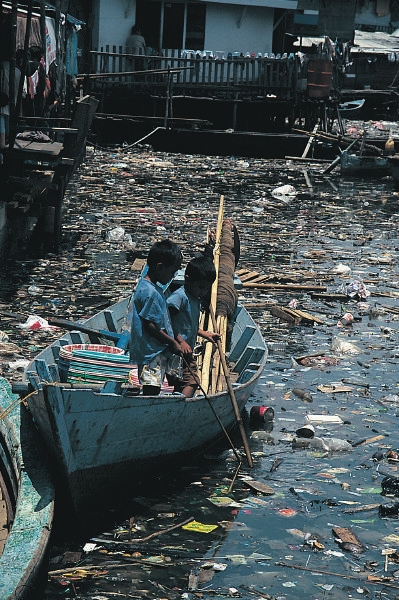
Section 1 The Scale of the Ocean Pollution Crisis Ocean pollution has escalated into one of the most pressing environmental crises of our time, threatening marine ecosystems on a global scale. Every year, millions of tons of plastic, chemical runoff, industrial waste, and agricultural pollutants find their way into the world’s oceans. The sheer volume of debris is staggering, with some estimates suggesting that if current trends continue, there could be more plastic by weight than fish in the ocean by the year 2050. This crisis is not limited to visible debris floating on the surface; microplastics—tiny fragments of degraded plastic—have infiltrated the deepest trenches and the most remote marine environments. Chemical pollutants from coastal runoff, including pesticides and fertilizers, create massive dead zones where oxygen levels are too low to support most marine life. The pervasive nature of ocean pollution means that no part of the marine environment is truly isolated from its devastating impacts. The interconnectedness of global ocean currents ensures that waste generated on one side of the world can wash up on the shores of uninhabited islands thousands of miles away. Understanding the immense scale of this crisis is the critical first step toward mobilizing international cooperation and implementing the widespread changes necessary to preserve the delicate balance of our marine ecosystems. Devastating Impacts on Marine Life The consequences of ocean pollution on marine biodiversity are catastrophic and far-reaching.
Section 2
Section 2 Marine animals of all sizes, from microscopic zooplankton to massive blue whales, are directly affected by the pollutants saturating their habitats. Entanglement in discarded fishing gear, often referred to as ‘ghost nets,’ results in the suffering and death of countless sea turtles, marine mammals, and seabirds every year. Beyond entanglement, the ingestion of plastic waste poses a severe threat. Many marine species mistake brightly colored plastic fragments for food. Once ingested, this indigestible material can cause internal injuries, block digestive tracts, and lead to starvation. Furthermore, microplastics act as sponges for toxic chemicals in the water, absorbing harmful substances such as PCBs and DDT. When marine organisms consume these microplastics, the toxins accumulate in their tissues and biomagnify up the food chain, eventually posing serious health risks to apex predators, including humans. Coral reefs, often described as the rainforests of the sea, are particularly vulnerable. Chemical pollution and sedimentation smother coral polyps, making them more susceptible to bleaching and disease.
Section 3
Section 3 The decline of these vibrant ecosystems leads to a devastating loss of biodiversity and threatens the livelihoods of communities that depend on reef fisheries. The Invisible Threat: Microplastics and Toxins While large plastic debris is highly visible, the invisible threats of microplastics and chemical toxins are arguably even more insidious. Microplastics are created when larger plastic items break down under the influence of sunlight and wave action, or they are manufactured intentionally as microbeads in personal care products. These microscopic particles are now ubiquitous in the marine environment, found in sea ice, ocean sediments, and the water column. They are easily ingested by filter-feeding organisms, entering the very foundation of the marine food web. Alongside microplastics, a toxic soup of chemical pollutants enters the ocean through industrial discharge, agricultural runoff, and untreated sewage. Heavy metals, such as mercury and lead, along with persistent organic pollutants (POPs), accumulate in the marine environment and persist for decades. These toxins can cause severe neurological and reproductive damage in marine wildlife. Additionally, nutrient pollution from agricultural fertilizers leads to eutrophication, a process that triggers massive algal blooms.
Section 4
Section 4 When these algae die and decompose, they consume vast amounts of oxygen, creating hypoxic ‘dead zones’ where marine life cannot survive. Combating these invisible threats requires stringent regulations on chemical use and dramatic improvements in wastewater treatment globally. Innovative Solutions and Green Technologies Despite the immense challenges, a wave of innovative solutions and green technologies offers hope for combating ocean pollution. Engineers and environmentalists are developing advanced systems to intercept waste before it reaches the open ocean. Interceptor vessels and river barriers are being deployed in major waterways around the world, effectively capturing tons of plastic debris before it can disperse into marine environments. In the open ocean, ambitious projects utilizing massive floating booms driven by ocean currents are attempting to concentrate and extract existing plastic waste from garbage patches. Beyond physical cleanup efforts, the transition toward a circular economy is crucial. Innovations in biodegradable materials and the development of plastics derived from alternative sources, such as seaweed or agricultural waste, aim to replace persistent petroleum-based plastics. Furthermore, advances in recycling technologies, including chemical recycling, hold the promise of breaking down complex plastics into their original monomers, allowing them to be reused indefinitely without a loss of quality.
Section 5
Section 5 On the policy front, the implementation of extended producer responsibility (EPR) schemes holds manufacturers accountable for the entire lifecycle of their products, incentivizing the design of more sustainable and easily recyclable packaging. The Path Forward: Global Policy and Action Addressing the crisis of ocean pollution requires unprecedented global cooperation and robust policy frameworks. The ocean is a shared resource that transcends national boundaries, meaning that localized efforts, while important, are insufficient to solve the problem. International agreements, such as the proposed Global Plastics Treaty, aim to establish legally binding targets to reduce plastic production, improve waste management infrastructure, and phase out single-use plastics entirely. National governments must implement strict regulations against illegal dumping and agricultural runoff, while heavily investing in advanced waste management and recycling facilities. Furthermore, corporate responsibility plays a pivotal role. Companies must commit to redesigning their supply chains, significantly reducing their plastic footprint, and adopting sustainable packaging alternatives. At the individual level, consumer choices drive market demand. By reducing consumption of single-use plastics, properly disposing of waste, and supporting eco-conscious brands, individuals can exert powerful pressure for change. Education and public awareness campaigns are essential for fostering a global culture of ocean stewardship. Ultimately, preserving the health of our oceans is not just an environmental imperative; it is essential for the survival of the planet and future generations.