
Section 1
Section 1 Introduction While Atmospheric carbon dioxide levels continue to break records, a massive, natural solution lies directly beneath our feet. Soil is the second-largest active carbon sink on Earth, holding more carbon than the atmosphere and all terrestrial vegetation combined. However, centuries of industrial agriculture, intensive tillage, and deforestation have depleted global soil carbon reserves, releasing billions of tons of carbon into the atmosphere. Soil carbon sequestration—the process of capturing atmospheric CO2 and storing it in the soil organic matter—has emerged as one of the most promising, scalable, and cost-effective methods for climate change mitigation. This article examines the biological mechanisms of soil carbon storage and agricultural practices that can restore this vital sink.
Section 2
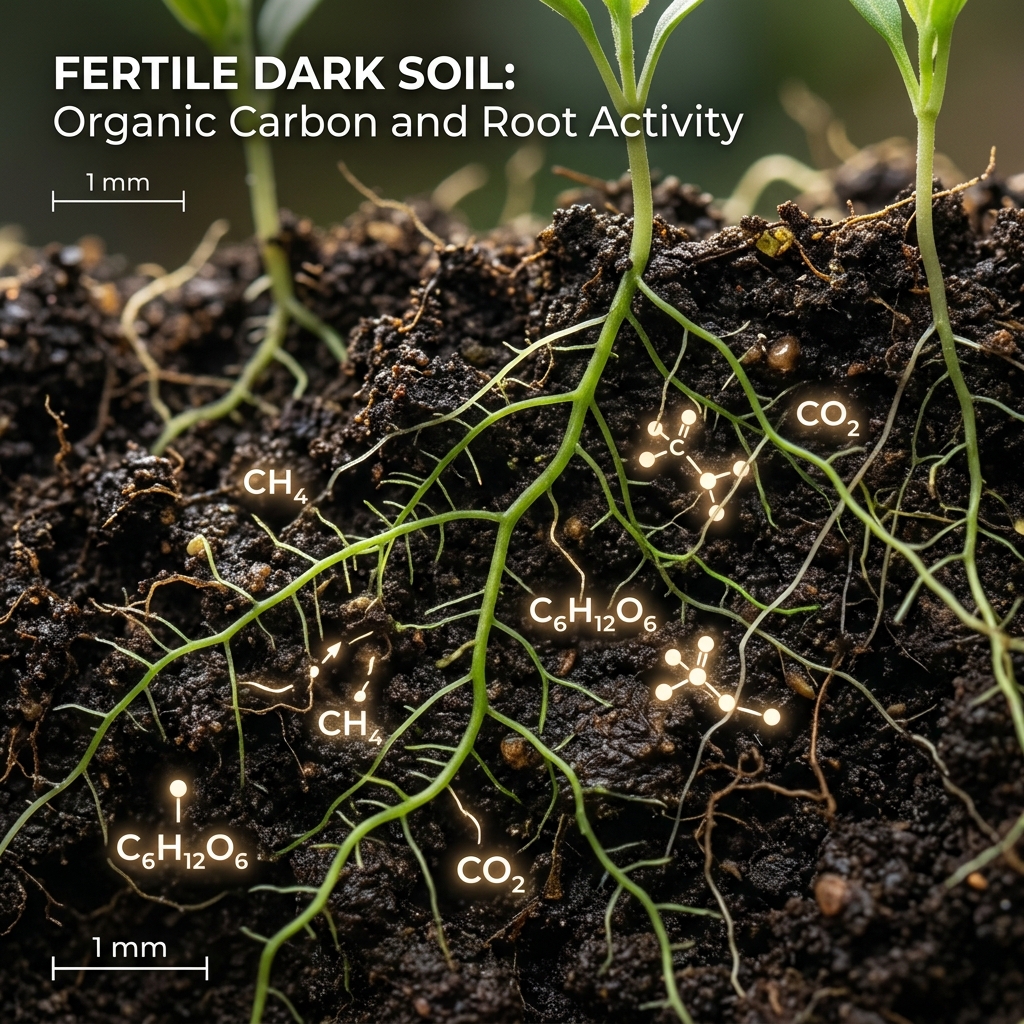
Section 2 The Biology of Soil Carbon Storage Soil carbon sequestration is primarily driven by photosynthesis. Plants capture atmospheric carbon dioxide and convert it into sugars and other carbon compounds. A significant portion of this carbon is transported down to the roots and exuded into the soil to feed mycorrhizal fungi and soil bacteria. In exchange for nutrients, these microorganisms store carbon in their cellular structures. As microbes die, their remains combine with minerals in the soil, creating highly stable, long-lived carbon molecules known as mineral-associated organic matter (MAOM).
Section 3
Section 3 This biological process converts short-lived carbon from plant tissue into stable carbon that can remain locked in the soil matrix for centuries. Regenerative Agricultural Practices Modern industrial farming practices deplete soil carbon by exposing organic matter to oxygen, which causes it to decompose and escape as CO2. Transitioning to regenerative agriculture can reverse this degradation and rebuild the soil carbon sink through several key practices: No-Till Farming: Eliminating plowing keeps the soil structure intact, protecting fungal networks and preventing carbon from oxidizing and escaping into the atmosphere. Cover Cropping: Growing plants year-round ensures that carbon is continuously pumped into the soil through plant roots, while protecting the ground from erosion. Diverse Crop Rotations: Cultivating a variety of crops promotes a diverse microbial community, which is highly efficient at processing and stabilizing soil carbon.
Section 4
Section 4 Managed Grazing: Rotating Livestock through small pastures mimics natural herd movements, stimulating deep root growth and accelerating carbon deposition. Co-Benefits of Healthy Soil Ecosystems Rebuilding soil carbon does not just mitigate climate change; it also dramatically improves the resilience of agricultural systems. Every one percent increase in soil organic matter enables an acre of land to hold an additional 20,000 gallons of water. This increased water retention capacity reduces soil vulnerability to droughts and floods. Furthermore, carbon-rich soils are physically stronger, reducing erosion from wind and rain.
Section 5
Section 5 Improved soil biological activity also increases natural nutrient availability, allowing farmers to reduce their reliance on expensive, fossil-fuel-intensive synthetic fertilizers and pesticides, creating healthier food and lowering operating costs. Challenges in Measurement and Scaling Despite its vast potential, scaling soil carbon sequestration faces significant hurdles. Measuring soil carbon changes accurately and cost-effectively is technically challenging, as carbon distribution is highly variable across different depths and soil types. Current verification methods rely on physical soil cores, which are labor-intensive and expensive. Satellite remote sensing and modeling are improving, but still lack the precision required for robust carbon offset markets. Additionally, there is a risk of permanence: if a farmer reverts to intensive tillage after years of accumulation, the stored carbon can be quickly re-released into the atmosphere. Conclusion Soil carbon sequestration offers a rare win-win opportunity in the fight against climate change. By shifting from destructive, extractive land management to restorative, regenerative practices, humanity can transform agricultural fields from carbon sources into massive carbon sinks. While technical challenges in measurement and policy persistence remain, restoring the health of our soils represents a vital, immediate pathway to drawing down atmospheric carbon while securing global food systems and enhancing planetary biodiversity.