
Section 1
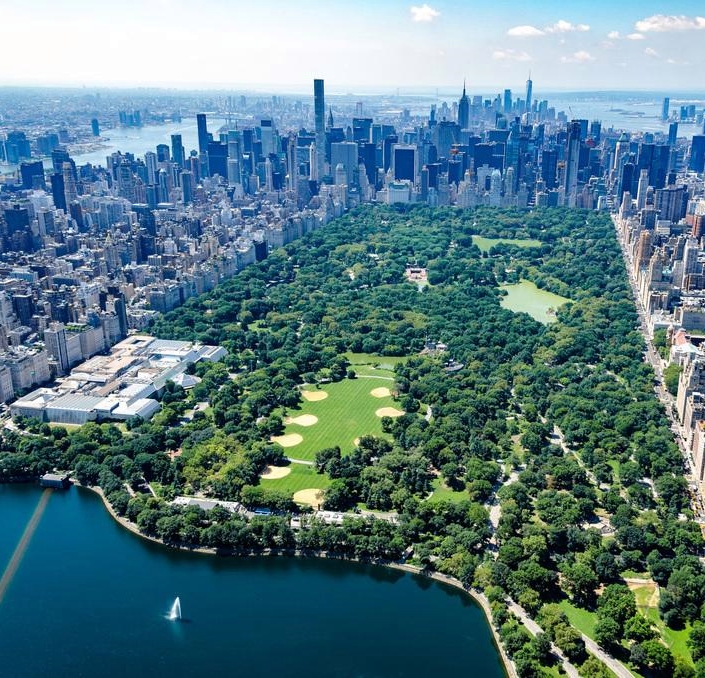
The Concrete Jungle Reimagined For centuries, the trajectory of urban development has been defined by the systematic exclusion of nature. Cities were built with concrete and steel, aggressively pushing out indigenous flora and fauna to make way for roads, skyscrapers, and manicured lawns. However, a profound paradigm shift is currently underway in metropolitan areas around the globe. This movement, known as urban rewilding, seeks to reverse the ecological sterilization of our cities. Unlike traditional landscaping, which often relies on non-native, chemically treated plants, rewilding is about restoring the chaotic, vibrant, and self-sustaining ecosystems that once thrived where our cities now stand. By actively inviting nature back into our urban cores, city planners are discovering that they can significantly improve air quality, mitigate extreme heat, and foster surprisingly robust biodiversity in the unlikeliest of places.
Section 2
Rooftops, Walls, and Pocket Forests The execution of urban rewilding relies heavily on utilizing neglected or unconventional spaces. Expansive green roofs are transforming barren concrete expanses into elevated meadows, providing crucial resting spots for migratory birds and essential habitats for declining pollinator populations. Vertical gardens, or living walls, are turning the facades of skyscrapers into towering ecosystems that absorb rainfall and naturally insulate buildings. At the street level, the Miyawaki method is gaining immense popularity. This technique involves planting a dense mix of native trees and undergrowth in small, urban ‘pocket’ spaces. Because the plants are tightly packed, they compete for sunlight, resulting in rapid upward growth.
Section 3
These micro-forests mature up to ten times faster than traditional plantations, creating dense, biodiverse patches that act as powerful carbon sinks and noise barriers right next to busy roadways. Daylighting Rivers and Restoring Wetlands One of the most ambitious and transformative aspects of urban rewilding involves water. Historically, as cities grew, natural rivers and streams were often buried underground in concrete culverts to prevent flooding and manage sewage. A process known as ‘daylighting’ aims to uncover these hidden waterways, restoring them to their natural, meandering paths. By ripping up the concrete and planting native riparian vegetation along the banks, cities are successfully creating thriving aquatic ecosystems. These daylighted rivers not only provide habitat for fish, amphibians, and waterfowl but also serve as natural sponges that absorb heavy rainfall, significantly reducing the risk of catastrophic urban flash flooding.
Section 4
Similarly, restoring degraded urban wetlands provides critical water filtration and creates lush, recreational green spaces for residents. The Human Health Benefits The advantages of urban rewilding extend far beyond ecological restoration; the profound benefits to human health are equally compelling. The Urban Heat Island effect—where concrete absorbs and retains the sun’s heat, making cities significantly hotter than surrounding rural areas—is a major public health hazard, especially during summer heatwaves. Rewilded areas, with their dense foliage and exposed waterways, drastically cool the surrounding air through shade and evapotranspiration. Furthermore, an extensive body of psychological research underscores the critical importance of regular contact with nature for mental well-being. Access to wild, untamed green spaces has been definitively linked to lower stress levels, reduced anxiety, improved cognitive function, and stronger community cohesion.
Section 5
In an increasingly stressful urban world, these pockets of wilderness provide essential psychological sanctuaries. Coexisting with Wildlife As our cities become greener, we must inevitably learn to share our spaces with returning wildlife. This coexistence requires a fundamental shift in perspective. Instead of viewing insects, birds, and small mammals as pests to be eradicated, rewilding advocates encourage us to see them as vital components of a healthy, functioning ecosystem. Urban planners are now designing infrastructure with wildlife in mind, constructing eco-bridges over highways and installing specialized street lighting that minimizes disruption to nocturnal animals. While challenges remain—such as managing human-wildlife conflicts and maintaining public support—the success stories are undeniably inspiring. From peregrine falcons nesting on skyscrapers to otters returning to revitalized urban rivers, the evidence is clear: when we give nature a foothold, even in the heart of the concrete jungle, it returns with breathtaking resilience.