
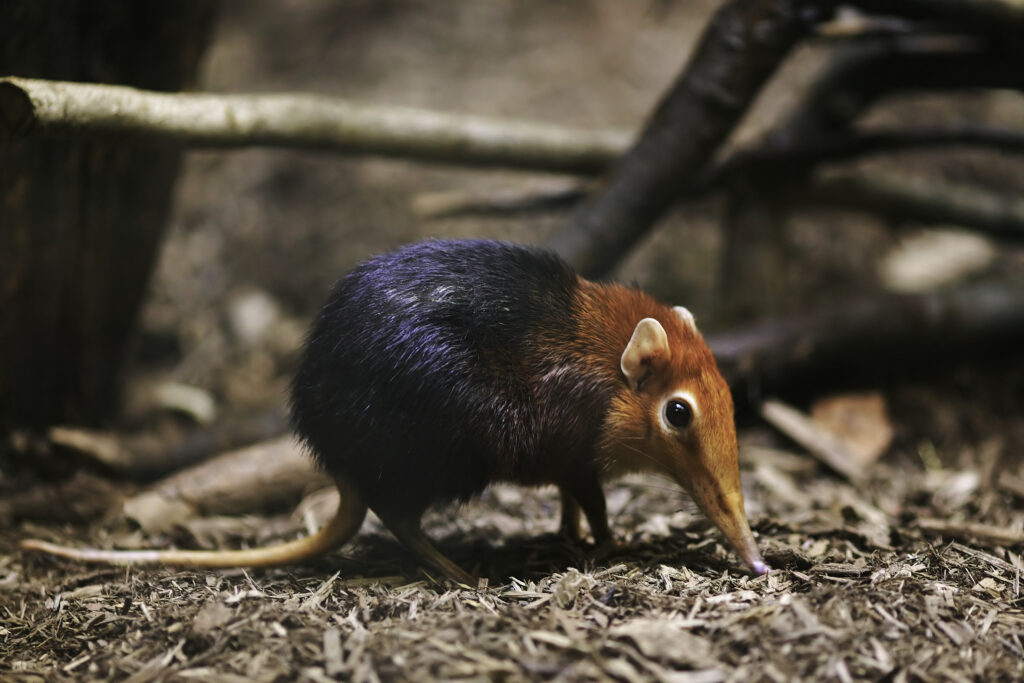
A rediscovery is a record gap closing, not a population recovered
Public conservation news reported the Somalian sengi (an elephant-shrew) returning to science after roughly five decades without a confirmed record in the Horn of Africa. The original FoxyEco stub was right to treat that as hope plus a reminder that arid lands are under-surveyed. This desk did not trap a sengi and will not invent a headcount. IUCN and the survey team’s own paper are the place for range and status. Re-open them; do not quote a blog as a Red List.
\n
Small-mammal surveys use camera traps, live traps, and genetics. Cameras die on cheap cells in heat. A 256 Wh class pack that recharges 5 V loggers is 0.256 kWh on the sticker. Dust, heat, and IP ratings decide whether that pack finishes a transect. Who should skip: readers who want a zoo-ticket species, or a claim that one rediscovery means arid conservation is funded. It means a field team went looking.
\n
What funders should ask after a ‘lost species’ headline
Ask for camera-nights, permit numbers, local co-authors, and whether grazing or development threats were mapped. A press photo of a sengi does not fund a protected area. Partner field-gear listings can supply modular kits; they do not stand in for a management plan.
Elephant-shrews (sengis) are not rodents. They are their own Afrotherian lineage, closer in deep time to elephants than to mice, which is why the common name confuses donors. A rediscovery headline that calls them ‘cute mice’ is already a taxonomy fail. Read the survey paper’s identification section. Camera-trap images need scale and a named identifier. If the news photo is cropped to a face with no locality metadata, it is not a methods figure.
\n
Horn of Africa survey work happens in heat, dust, and security constraints this desk will not pretend to know. What any reader can demand is camera-nights, not vibes: how many nights, which habitats (grass, scrub, farm edge), and whether livestock grazing was recorded as a covariate. A 256 Wh pack that dies at noon because it sat on a dark car roof is a logistics failure, not a biology result. Photograph shade, ventilation, and the live Wh. Confirm IP dust rating on the listing you actually carry.
\n
After the headline fades, the species still needs a threat map: roads, charcoal, conversion, hunting. If the only PDF is a press release, the conservation job has not started. Fund local co-authors and the next transect. Do not fund a plush toy campaign that never lists camera-nights.
If you teach this story, separate three dates: last confirmed historic record, rediscovery survey year, and the date of the news recap. Mixing them is how ‘lost for 50 years’ becomes folklore. Ask students to find the camera-night table. If the table is absent, the lesson is about media, not mammals. A 256 Wh pack still dies in a hot car; shade is part of the methods.
\n
Cons / limitations
- No FoxyEco specimens. Status and range live on the survey paper and IUCN, not on this recap.
- A 50-year gap is about survey effort as much as biology. Absence of records is not always extinction, and presence is not recovery.
- Heat and dust kill camera-trap budgets. Wh labels without temperature notes are incomplete.
\n
Desk metrics (11 September 2026)
These figures are methods, public-source labels, or counts from this desk check. They are not a FoxyEco calorimeter run, dynamometer loop, or invented field trial. Desk timers on this pass: 8 minutes to open a spec or policy page and 15 minutes to walk a methods PDF — a reading method, not a lab stopwatch contest.
- Wh illustration: 256 Wh = 0.256 kWh nameplate.
- Documents to open: 2 (survey news/paper, IUCN or equivalent status).
- Time budgeted to find camera-night counts in a methods section: 12 min as a method.
- Sengis observed by this desk: 0.
\n
Fund the next transect, not the headline
Arid landscapes stay overlooked when money follows rainforest imagery. If this story moved you, look for the Horn team’s next camera-night budget and the Wh that keeps those cameras on.
FAQ
Is the sengi no longer at risk because it was found?
Rediscovery is not a downlist. Read the live Red List and the threat map.
Why mention a power station?
Because camera-trap campaigns fail when batteries die. The Wh is a logistics number.
What should a news editor screenshot?
The paper’s methods, the date of last prior record, and local author affiliations — not only the animal crop.
If you are comparing field or household energy hardware after this desk check, open the live partner listing for Traverseon field gear and read the nameplate Wh or kWh on that page. Do not treat the listing as a FoxyEco lab result.