
Section 1
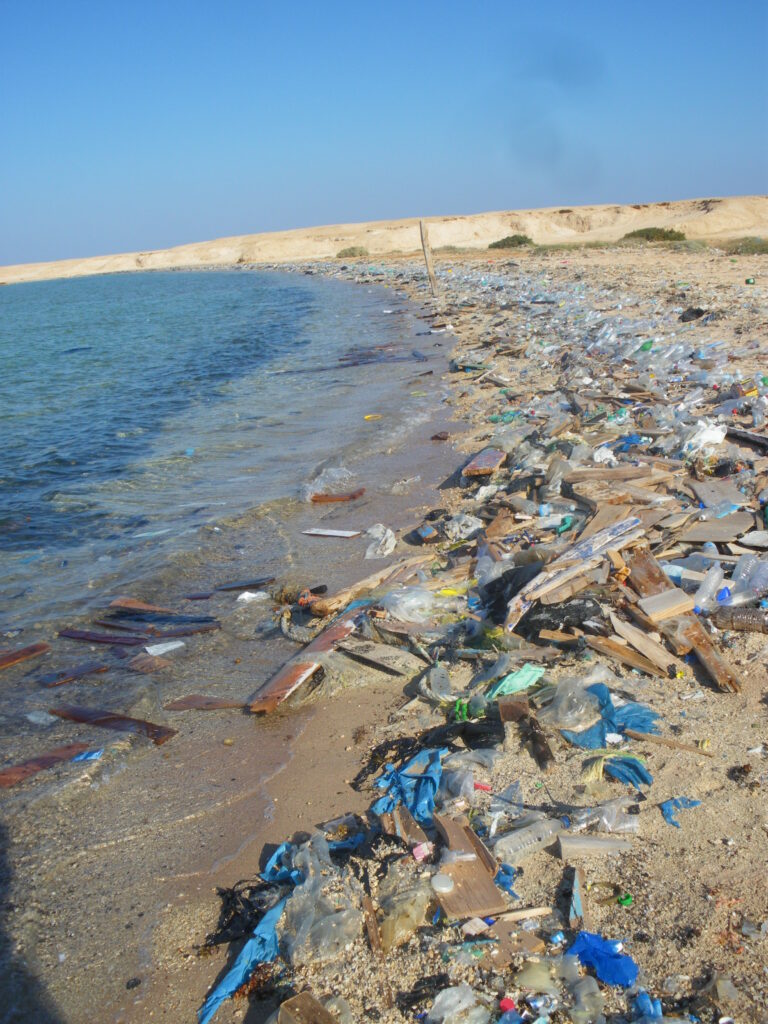
The Scale of the Plastic Crisis Our oceans are drowning in plastic. Every year, an estimated 8 to 10 million metric tons of plastic waste enter the marine environment, equivalent to dumping a garbage truck full of plastic into the ocean every minute. Once in the water, this debris is swept up by powerful ocean currents and concentrated into massive accumulation zones, the most famous being the Great Pacific Garbage Patch, which now covers an area three times the size of France. This pollution is devastating marine ecosystems. Sea turtles mistake plastic bags for jellyfish, seabirds feed their chicks indigestible bottle caps, and whales wash ashore with stomachs full of discarded fishing nets. Furthermore, as plastic slowly degrades under the sun and waves, it breaks down into microplastics—tiny fragments less than five millimeters long.
Section 2
These microplastics are ingested by plankton and small fish, entering the marine food web and eventually making their way onto our dinner plates. Deploying the Giant Pac-Man Faced with this monumental crisis, several organizations are deploying ambitious technological solutions to actively remove plastic from the high seas. One of the most prominent initiatives involves the use of massive, U-shaped floating barriers, sometimes likened to giant Pac-Man machines. These autonomous systems, often spanning hundreds of meters in length, are towed by vessels or propelled by ocean currents through the densest garbage patches. They act as artificial coastlines, corraling and concentrating floating plastic debris at the center of the U-shape. Because the screens extend only a few meters deep, most marine life can safely swim underneath.
Section 3
Once a sufficient amount of plastic is collected, support vessels extract the concentrated garbage and transport it back to land for recycling and proper disposal. Recent iterations of these systems have proven highly effective, bringing back record hauls of marine debris. Interceptor Vessels in River Mouths While cleaning the open ocean is critical, it is equally important to stop the flow of new plastic before it reaches the sea. Research has shown that a significant percentage of ocean plastic pollution originates from just a thousand rivers globally. To address this, organizations are deploying high-tech ‘interceptor’ vessels at the mouths of the world’s most polluting rivers. These solar-powered catamarans use a barrier to guide floating river trash onto a conveyor belt, which autonomously extracts the debris and deposits it into dumpsters on board.
Section 4
When the dumpsters are full, the system alerts local operators to swap them out. By targeting these chokepoints, interceptors can capture millions of pounds of trash annually before it has a chance to disperse into the vast, hard-to-reach open ocean, making them an incredibly efficient tool in the fight against marine pollution. The Microplastic Challenge While floating barriers are excellent at capturing ‘macroplastics’ like bottles, crates, and fishing nets, they struggle to address the pervasive issue of microplastics. Removing microplastics from the ocean without simultaneously capturing essential microscopic marine life like plankton is a complex engineering challenge. However, new innovations are emerging. Some researchers are developing magnetic nanotechnology—using tiny, magnetic, carbon-based coils that can break down microplastics in water without harming marine life.
Section 5
Others are utilizing autonomous underwater drones equipped with specialized acoustic waves to herd microplastics into concentrated clusters for easier collection. Additionally, significant focus is being placed on advanced wastewater treatment facilities capable of filtering out microfibers from synthetic clothing before they are discharged into rivers and oceans. Beyond Cleanup: Stopping it at the Source Technological cleanup efforts, no matter how impressive, are ultimately treating the symptoms rather than the disease. To truly solve the ocean plastic crisis, the world must aggressively address the root cause: our unsustainable production and consumption of single-use plastics. The ultimate solution requires a rapid transition to a circular economy, where materials are designed to be reused, repaired, and recycled, rather than discarded after a single use. This involves implementing robust extended producer responsibility (EPR) laws, investing heavily in alternative biodegradable materials, and shifting consumer behavior away from convenience-driven disposable products. Cleanup technology buys us critical time by removing existing hazardous waste, but turning off the tap at the source is the only way to ensure our oceans remain vibrant and healthy for generations to come.